In the world of international trade, Incoterms play a central role. These rules, established by the International Chamber of Commerce (ICC), clearly define the responsibilities of sellers and buyers with regard to transportation, customs, and insurance. However, their complexity can sometimes be a source of confusion, leading to costly mistakes or avoidable disputes.
Whether you’re a food industry professional looking to export your products or a wholesaler seeking suppliers abroad, mastering Incoterms is essential to ensuring smooth and secure transactions. In this article, we’ll guide you step by step through understanding Incoterms, choosing the ones that best suit your needs, and optimizing your trade operations.
1. What Is an Incoterm and Why Is It Essential?
Incoterms, or International Commercial Terms, are standardized rules created by the International Chamber of Commerce (ICC) to govern global trade. Their primary purpose is to clarify the obligations and responsibilities of the parties involved in an international transaction: the seller and the buyer.
Definition of Incoterms
An Incoterm determines who is responsible for what throughout the process of shipping goods:
Transportation of goods: Who arranges and pays for transportation up to a given point? Customs formalities: Who handles export or import declarations? Risks: At what point do the risks associated with damage to or loss of the goods transfer from the seller to the buyer?
Each Incoterm is coded with three letters (e.g., FOB, EXW, CIF) and applies to specific situations, depending on the mode of transport or the type of transaction.
The Importance of Incoterms in International Trade
Incoterms help:
- Prevent misunderstandings: By clearly defining each party’s responsibilities, Incoterms avoid gray areas that could lead to disputes. For example, a buyer can know exactly where and when they assume responsibility for the goods.
- Ensure a fair allocation of costs: Depending on the Incoterm chosen, the seller and buyer share costs transparently. This allows for better budget planning and avoids surprises.
- To simplify trade: Incoterms are universal and recognized in every country. They therefore serve as a common language in transactions involving different cultures, laws, and regulations.
- Avoiding Legal Disputes: Because they are standardized, Incoterms serve as a solid reference in the event of a disagreement. Courts and mediators often rely on them to resolve commercial disputes.
Practical Example
Imagine a food wholesaler based in France that imports dried fruit from a supplier in Turkey. If the chosen Incoterm is CIF (Cost, Insurance, and Freight), the Turkish supplier covers the costs and assumes the risks up to the French port. Once the goods are unloaded, responsibility passes to the wholesaler. This spares the wholesaler from unexpected expenses related to ocean freight or insurance.
2. Incoterms Categories: How to Distinguish Them?
Incoterms are organized into two main categories, based on the mode of transport used and the specific characteristics of commercial transactions:
Incoterms for maritime and inland waterway transport. Multimodal Incoterms apply to all modes of transport (road, air, rail, sea, or a combination of these modes).
Each category is designed to meet the specific needs of international transactions by clarifying the roles and responsibilities of the parties involved.
1. Incoterms for maritime and inland waterway transport
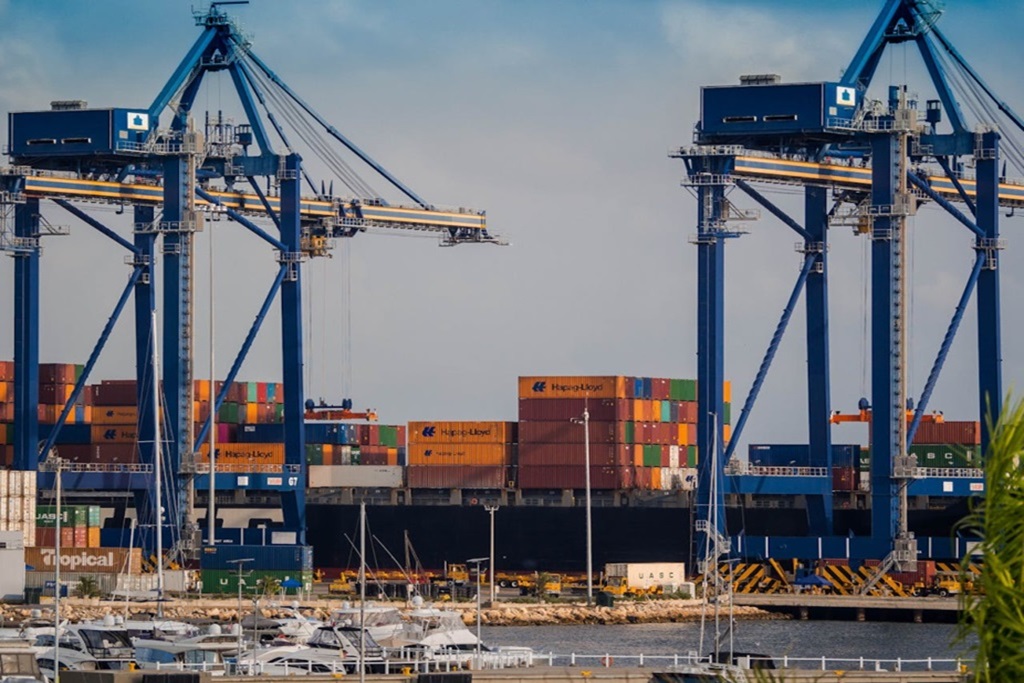
These Incoterms are used only when goods are transported by sea or inland waterways. They often apply to bulky goods or those shipped in containers.
FAS (Free Alongside Ship): The seller delivers the goods to the agreed-upon port, alongside the ship. The buyer assumes the costs and risks from that point onward.
Example: A grain exporter delivers the goods to the dock at the port of shipment.
FOB (Free On Board): The seller is responsible for loading the goods onto the ship. Risks and costs are transferred to the buyer once the goods are on board.
Example: A food wholesaler delivers bags of rice directly onto the ship at the port of Marseille.
CFR (Cost and Freight): The seller pays for ocean freight to the port of destination, but the risks are transferred to the buyer as soon as the goods are loaded onto the ship.
CIF (Cost, Insurance, and Freight): Similar to CFR, but the seller must also purchase insurance to cover the goods until they reach the port of destination.
2. Multimodal Incoterms
These Incoterms are more flexible and suited to a variety of modes of transport (truck, plane, train, or ship).
EXW (Ex Works): The seller makes the goods available at their premises. The buyer assumes all costs and risks upon pickup.
Example: A dried fruit producer in Spain sells its products directly from its warehouse.
FCA (Free Carrier): The seller delivers the goods to a carrier chosen by the buyer. The transfer of risk occurs at that precise moment.
CPT (Carriage Paid To): The seller arranges and pays for transportation to the agreed-upon destination, but the risks are transferred to the buyer as soon as the goods are handed over to the carrier.
CIP (Carriage and Insurance Paid to): Similar to CPT, but the seller must also take out insurance covering the goods during transport.
DAP (Delivered at Place): The seller is responsible for delivering the goods to the agreed-upon location, but does not handle import customs formalities. The seller bears the risk until delivery.
DDP (Delivered Duty Paid): The seller covers all costs and formalities, including customs duties. The buyer simply needs to take delivery of the goods.
Key Differences Between the Categories
Maritime vs. Multimodal Transport: Maritime Incoterms (FOB, CIF) apply only to shipments by water, while multimodal Incoterms (CIP, DAP) apply to a variety of modes of transport.
Allocation of Responsibilities: Some Incoterms, such as EXW, place almost all responsibility on the buyer, while others, such as DDP, place the majority of responsibility on the seller.
Choosing the right Incoterm depends on the mode of transport, the desired allocation of responsibilities, and the level of control sought. A clear understanding of the categories allows you to optimize your international trade and avoid costly mistakes.
Conclusion
Incoterms are much more than technical jargon: they are essential tools for structuring and securing your international transactions. By understanding their specifics and choosing them carefully, you can avoid misunderstandings, reduce risks, and optimize your logistics costs.
Since every transaction is unique, it’s crucial to consider the modes of transportation, customs formalities, and the responsibilities you wish to assume. A solid understanding of Incoterms categories allows you to negotiate more effectively with your business partners and ensure that your trade flows smoothly.
At Rodtomat, we understand that every country has its own unique characteristics when it comes to trade and logistics. That’s why, in collaboration with our partners, we tailor our services to your specific needs, regardless of your destination or mode of transportation. Trust us to support your transactions and help you choose the solutions best suited to your requirements.